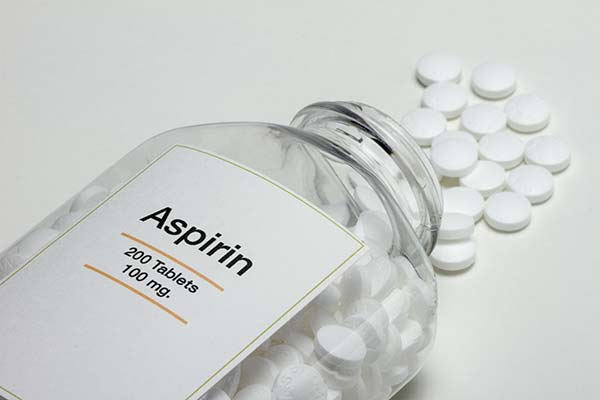
 Aspirin-Exacerbated Respiratory Disease (AERD), also known as Samter’s triad or NSAID-exacerbated respiratory disease (NERD), is a chronic respiratory condition that includes asthma, sinusitis, and nasal polyps, with a tendency to wheeze several hours after the ingestion of aspirin as well as other non-steroidal anti-inflammatory drugs (NSAIDs) such as ibuprofen. About 10% of all adult asthmatics and 40% of asthmatics with nasal polyps have this condition. An informative website from Brigham and Women’s Hospital in Boston is AERD.partners.org. Click here to watch an excellent video on AERD from an expert, Tanya Laidlaw, M.D. Another excellent informational and support resource is The Samter’s Society.
Symptoms of AERD
AERD is associated with asthma that is often chronic and severe. Nasal polyps occur in the nasal cavities/sinuses. These polyps are associated with nasal congestion as well as anosmia, or the inability to smell things. There may be recurrent sinus infections. In addition, there are reactions associated with the ingestion of aspirin/NSAIDs that often occur within several hours. The symptoms may include severe wheezing, nasal congestion, and flushing, as well as gastrointestinal symptoms such as nausea/abdominal cramping.
Management of AERD
Treatment includes avoidance of aspirin and other NSAIDs. Medications such as acetaminophen (Tylenol) at doses below 1000 mg are usually tolerated and can be used as needed for pain or fever. A selective NSAID called Celebrex is also usually tolerated and can be used in most cases. A medical alert bracelet should be considered, emphasizing the avoidance of aspirin and NSAIDs including the injectable NSAID Toradol. Several medications are usually recommended including nasal steroid sprays or sinus rinses, leukotriene receptor antagonists such as Singulair, and asthma inhalers. Occasionally sinus surgery with an ENT specialist is needed. In some cases, treatment with injectable biologic medicines such as Dupixent, Tezspire, Xolair, Nucala, and Fasenra is needed.
Aspirin Desensitization
Another option for people with AERD is aspirin desensitization. This is a two day protocol that would be performed in-office. Increasing doses of aspirin are given based on a standardized protocol until a maintenance dose of aspirin is reached. The maintenance dose is then taken on a daily basis. The benefits include improved asthma and nasal symptoms, less polyp regrowth, fewer surgeries, and a better sense of smell. In addition, a person can take NSAIDs such as ibuprofen for pain after completing this procedure. Aspirin desensitization is not as commonly done these days due to the development of very safe and effective biologic medications as noted above.
Future Therapies
There are several injectable biological therapies that will eventually get the indication for the treatment of nasal polyps. A recent study showed that the biological medicine Dupixent improved sinusitis/nasal polyposis symptoms and asthma in patients with AERD. There was also a preliminary study recently published in a major allergy journal describing an AERD diet that may improve both nasal and lung symptoms in AERD. Click here for a one-page table describing the AERD diet.